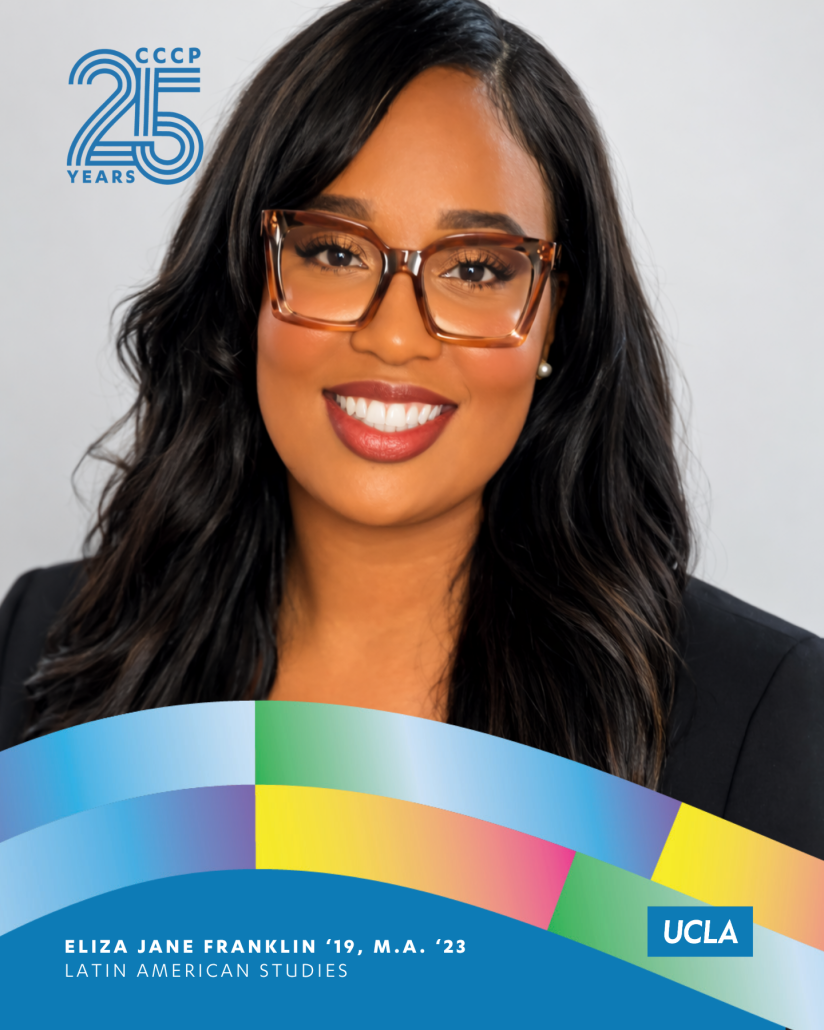
Eliza Jane Franklin ’19, M.A. ’23
African American Studies, Urban Planning


African American Studies, Urban Planning
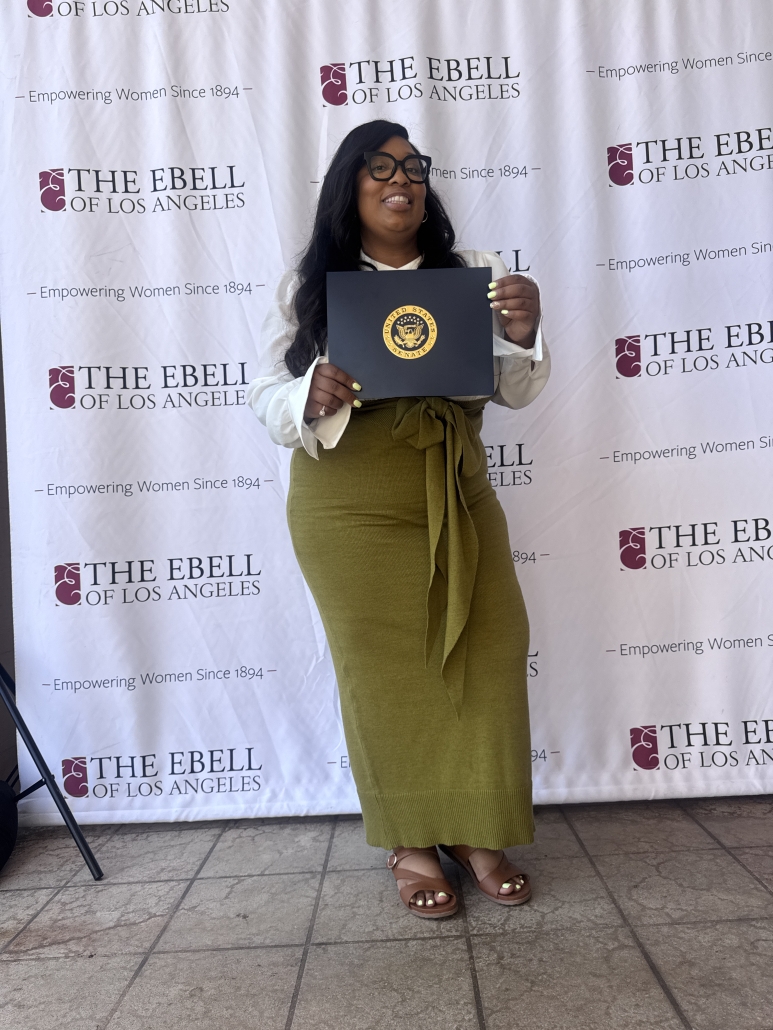
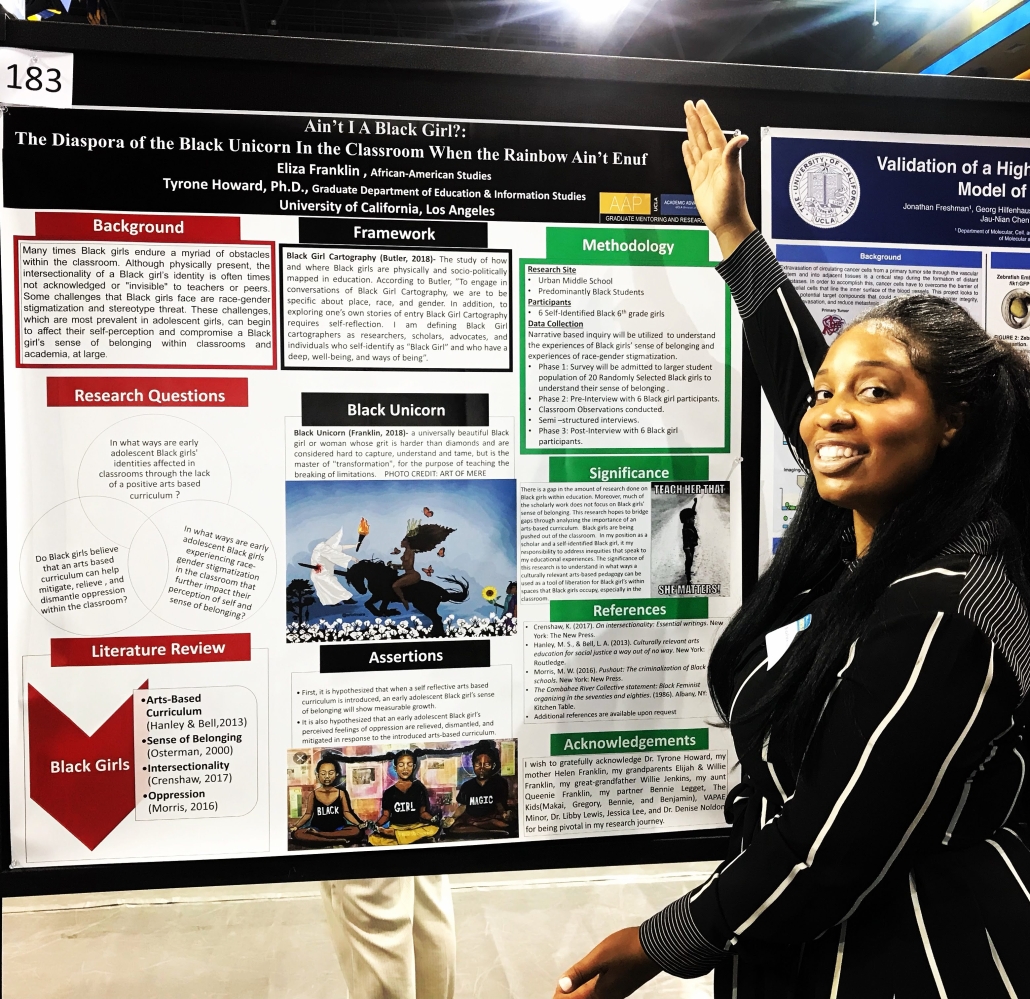
My journey into higher education was difficult. I had no familial support ensuring I went to college after high school. Essentially, I had to figure it out. When I enrolled into community college directly after high school, the financial aid processor for that institution made an error on my application. She called me the first week of school and stated my funds would be delayed by two weeks and apologized. I could not afford to attend and wait for two weeks, so I dropped out and enrolled into cosmetology school. I believed cosmetology school would provide income for me to attend college. However, I was attached to the revenue generated as a cosmetologist and this made the transition to community college challenging. Over 13 years, i would take classes at community college on and off. I finally completed my associates degree once my partner was incarcerated. I realized being a cosmetologist was not conducive to my lifestyle with children and found myself again with no real support system. My goal was to go back and obtain my bachelor’s degree. I have since achieved that goal and continued my education to obtain a graduate degree.
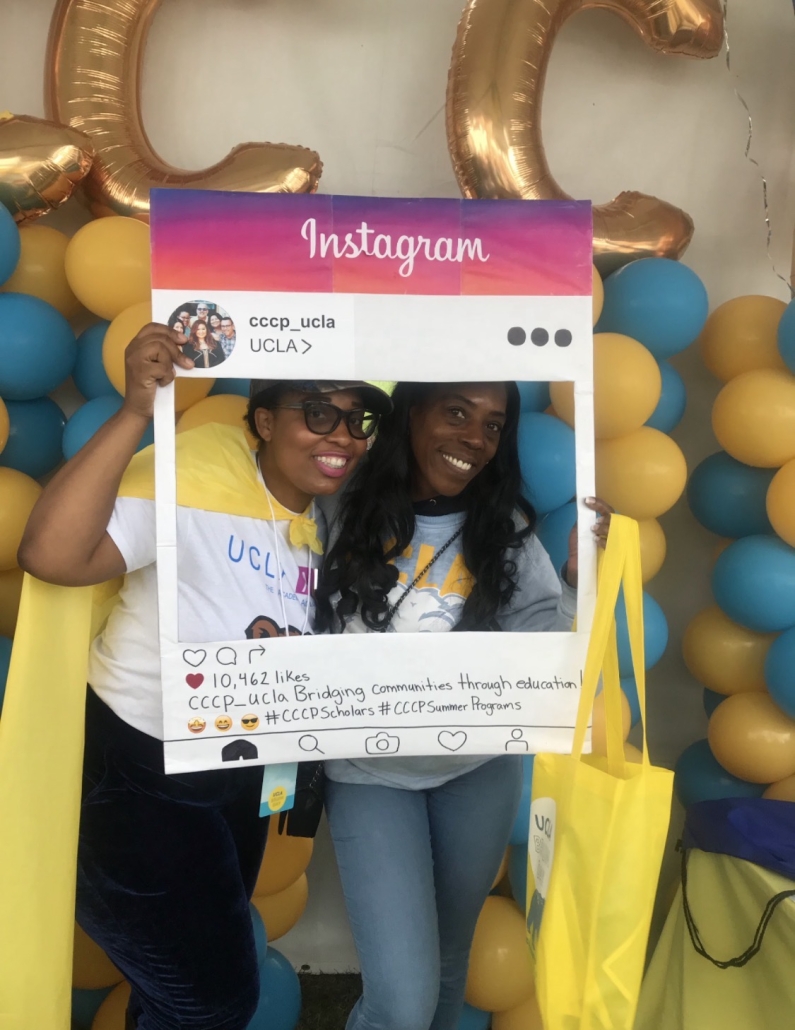
The Center for Community College Partnerships (CCCP) gave me the opportunity to envision myself at a four-year university and, more importantly, to recognize that I truly belonged at one.I had no real idea of my trajectory before the program. I had the grades, but no real belief in myself. My mindset was limited when I was at the community college level. After participating in CCCP and attending the summer program, I realized I belonged in academia and brought value to academia. The CCCP summer program changed the trajectory of both my personal and professional life. I also found a family. Many of the CCCP folks are my closest friends today. It provided me with access to a network of individuals that have helped me increase my net worth. The program is invaluable.
Some of my most memorable experiences in CCCP are from the Summer Transfer Program. One year I was afforded the ability to lead a discussion course for CCCP. This was an amazing experience and was a real pay it forward moment. My most memorable moment will always be the year I attended the summer program before I transferred to UCLA and Dr. Tyrone Howard was one of the speakers. He went on to be my advisor when I participated in the McNair Scholars program. I also will never forget when Dolores Huerta attended one of our events because she is friends with Alfred Herrera, the founder of CCCP. That opportunity was life changing and I cherish the picture from that event.
Graduating from UCLA meant the world to me. As an African American woman, I walked into every room with my head held high, knowing I had earned my place there. That experience affirmed my strength, my resilience, and my worth in spaces that haven’t always been built for people like me. It shifted something in me—I left believing, without hesitation, that I can do anything in this world.
Today, I am currently a mother of five children spanning from age two to 17 . Academically, I am pursuing a doctoral degree in History at Auburn University, where my research builds on my established focus in heritage conservation, critical race studies, and spatial analysis, with particular attention to racial violence, memory landscapes, and cultural preservation in the U.S. South.
I previously attended the University of Southern California, where I earned my Master’s in Heritage Conservation, and UCLA , where I earned both my master’s in Urban and Regional Planning and my bachelor’s in African American Studies. Before UCLA, I completed multiple associate degrees at Los Angeles Southwest College and studied abroad at the University of Ghana in community health and sustainability.
Beyond the classroom, I have extended my academic work into lived practice by purchasing an antebellum home that I am actively transforming into a museum space dedicated to truth-telling, preservation and community engagement. My work is further informed by international travel, including time spent in Amsterdam and other locations abroad, where I have engaged global perspectives on memory, history and preservation. Together, these experiences shape an interdisciplinary research practice that integrates digital humanities and geospatial mapping to document and reinterpret histories of lynching, anti-Black spatial practices, and erased narratives — particularly in places like Eufaula, Alabama—while advancing preservation approaches that center Black memory, community archives, and reparative histories.
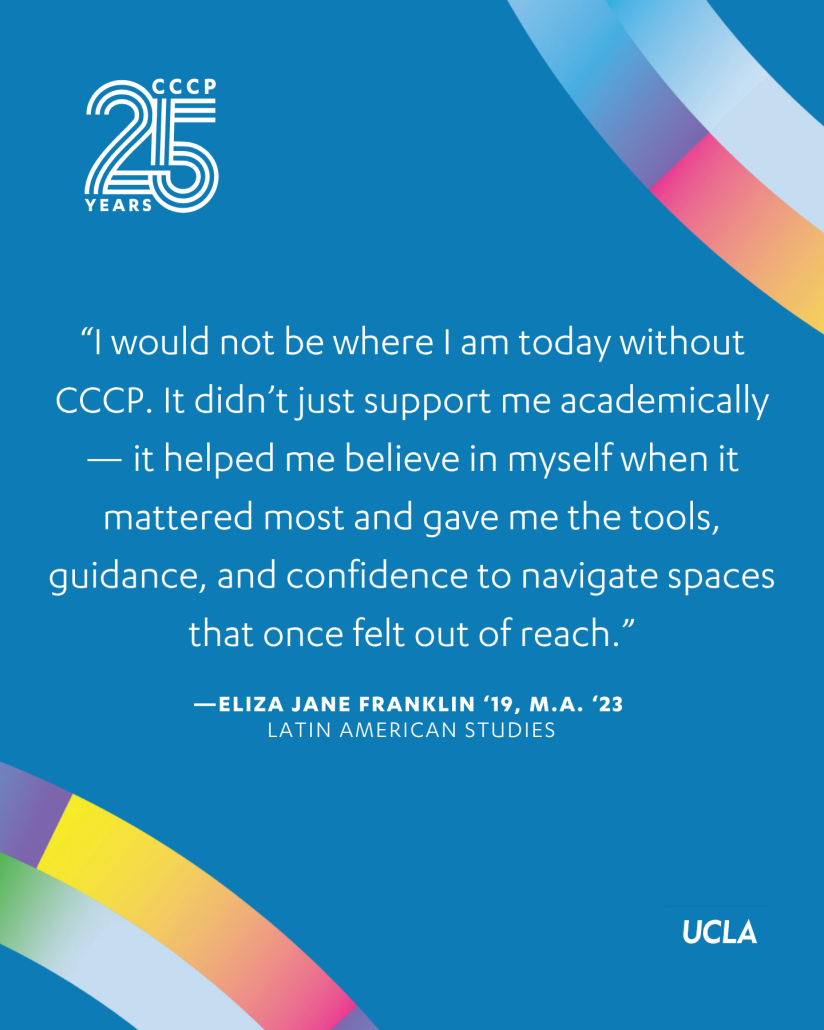
Everyone should know that the CCCP is truly transformative. I would not be where I am today without it. CCCP didn’t just support me academically — it helped me believe in myself when it mattered most and gave me the tools, guidance, and confidence to navigate spaces that once felt out of reach. It was a foundation that shaped not only my educational journey but also my sense of purpose and possibility.
Thank God for CCCP! Alfred Herrera was doing the Lord’s work when he formed this program for students who come from marginalized backgrounds. Claudia Salcedo has picked up the mantle and the legacy of CCCP will forever reverberate in the academic world as a force to be reckoned with.
Help create more success stories like Eliza’s by making a donation today.

Contact Us
310.267.4441
cccp@college.ucla.edu
Open Hours
2211 Campbell Hall (2nd floor)
Los Angeles, CA 90095-7176
Monday – Thursday: 9am – 5pm
Friday (Remote): 9am – 5pm
The UCLA Center for Community College Partnerships acknowledges the Gabrielino/Tongva peoples as the traditional land caretakers of Tovaangar (the Los Angeles basin and So. Channel Islands). As a land grant institution, we pay our respects to the Honuukvetam (Ancestors), ‘Ahiihirom (Elders) and ‘Eyoohiinkem (our relatives/relations) past, present and emerging.
 Yazmin Gonzalez ’16