Villy B ’20, MSHCM ’22
Sociology, Global Health and Global Studies


Sociology, Global Health and Global Studies
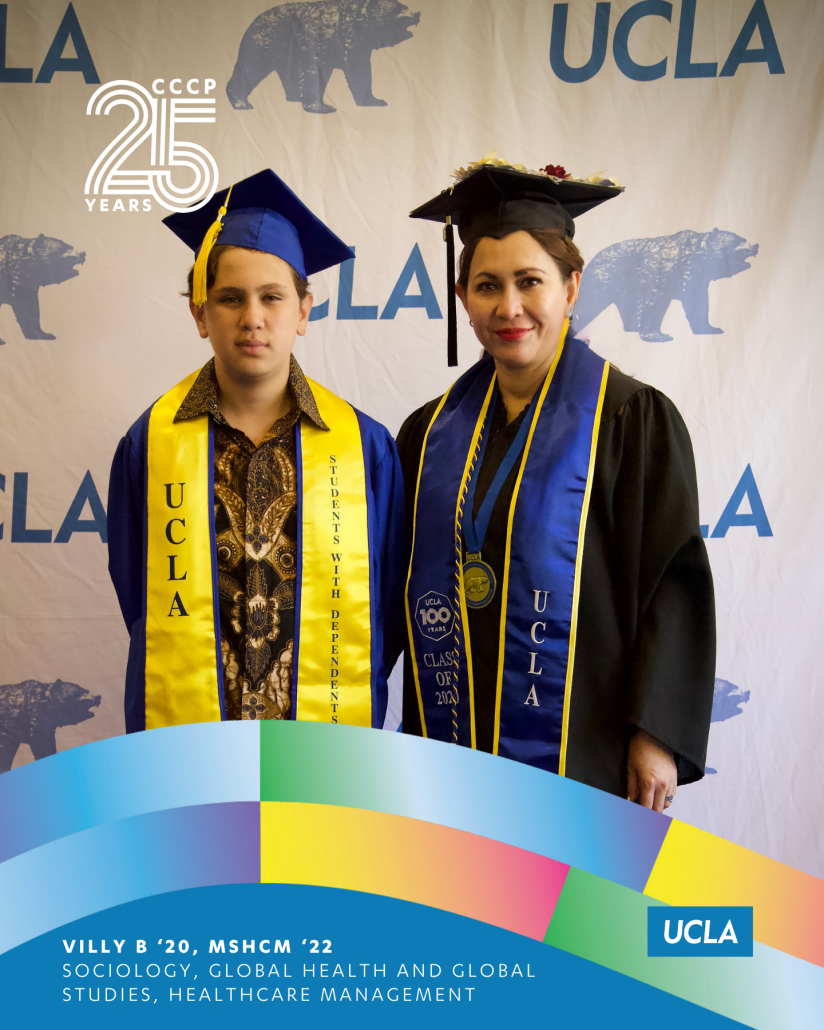
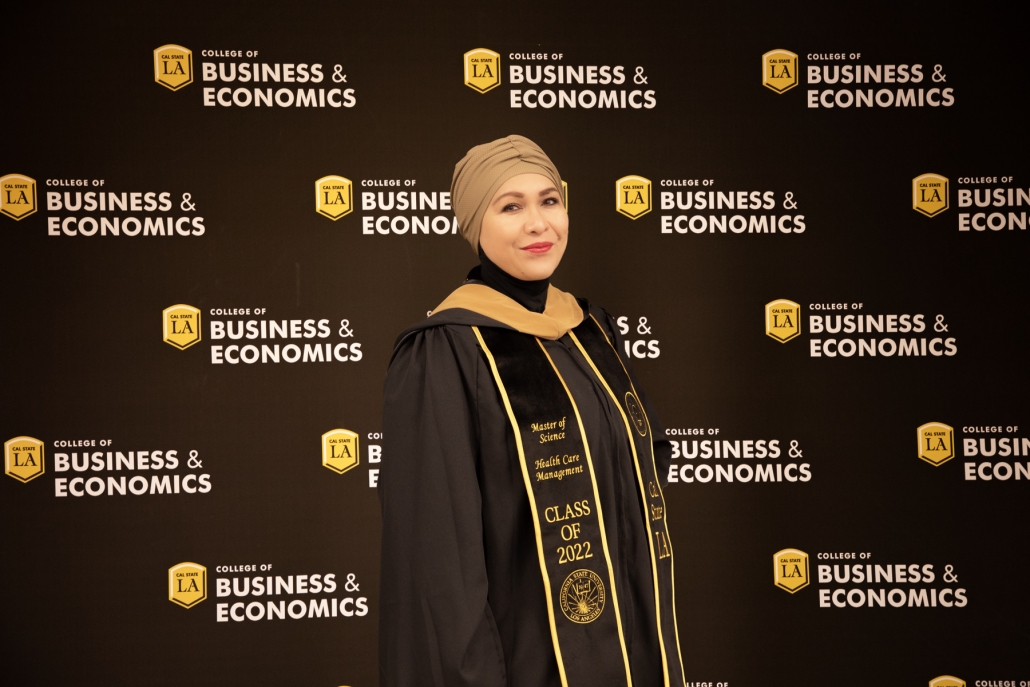
My journey to higher education was anything but linear. I graduated high school in Indonesia over 20 years ago, dreaming of studying graphic design, but as the daughter of a widowed mother who couldn’t afford university, I was sent to a secretarial academy instead — a path chosen out of necessity, not passion. Life took many turns after that: I immigrated to the United States, becoming a single mother, and a sole provider for my household. Returning to school as a first-generation, non-traditional, older student meant beating every odd stacked against me. I worked full-time, often on graveyard shifts, studied late at night, and pushed through undiagnosed ADHD — all while raising my son alone. But I carried a fire in me: I wanted to advocate for women’s rights, to serve underrepresented communities, and to show my son that you never give up on your dreams, no matter how long it takes. That fire brought me to community college, and eventually, to UCLA.
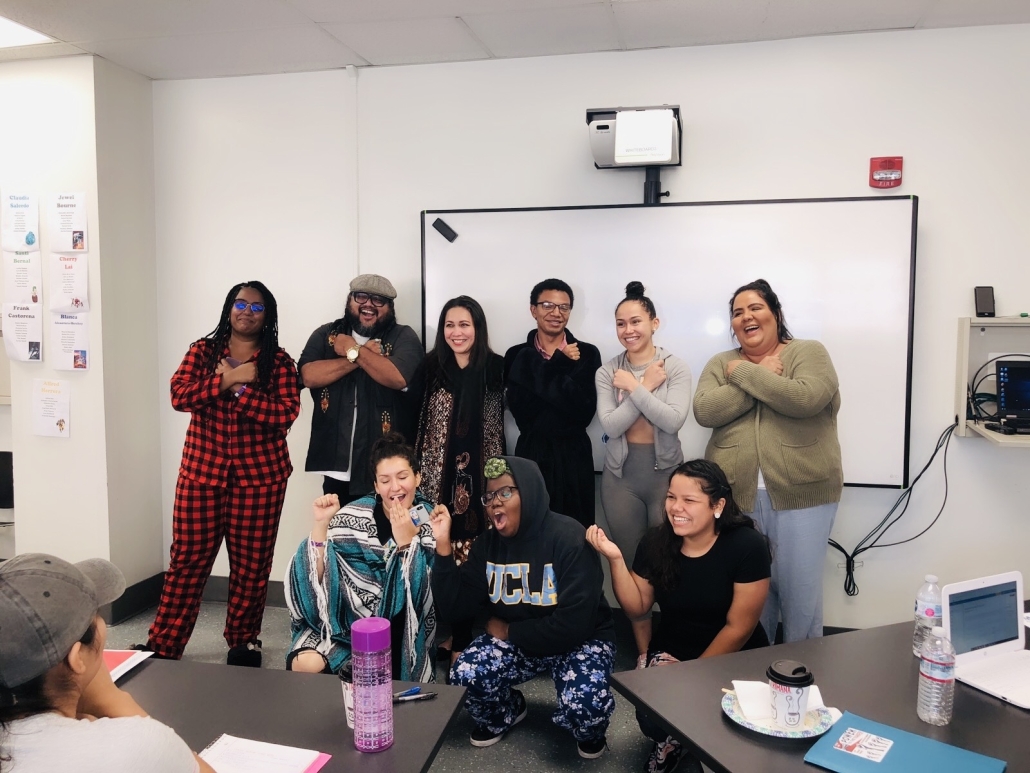
CCCP was the lifeline I didn’t know I needed. When I first arrived, I carried the weight of being a single mother and a non-traditional student, often feeling like I didn’t truly belong in a university setting. CCCP didn’t just welcome me — it saw me. Through their Parenting Site, I connected with other students who understood the exhaustion of writing papers after putting a child to bed, and the guilt of missing moments while chasing a degree. That community gave me the courage to keep going. Later, as a CCCP peer mentor myself, I experienced the program’s impact from the other side. Sitting across from students who shared versions of my own story — first-generation, parenting, struggling to believe they belonged — I got to tell them, “I know how you feel, and you can do this.” Helping them navigate the transfer pathway, sharing resources, and watching their confidence grow was one of the most fulfilling chapters of my UCLA experience. CCCP transformed me from someone seeking support into someone capable of offering it.
Some of my most memorable experiences at UCLA happened not in lecture halls, but in the spaces where I connected deeply with community. Volunteering at 580 Café stands out — a warm, welcoming space where students gather over pour-over coffee and conversations about faith, meaning, and life’s big questions. There, I found a rare kind of stillness and connection on a bustling campus. It reminded me that advocacy isn’t always loud; sometimes it’s simply holding space for someone over a cup of coffee. My work as an Office Assistant for UCLA Residential Life was also unforgettable — I was part of the behind-the-scenes heartbeat of student housing, often interacting with students and families during their most vulnerable transitions. It reinforced my understanding of how critical safe, stable housing and a welcoming environment are to student success, especially for non-traditional students. And of course, mentoring with CCCP gave me the profound gift of walking alongside students who reminded me of my younger self. These roles — volunteer, worker, mentor — shaped my UCLA experience just as much as any academic milestone.
Graduating from UCLA meant breaking a generational cycle. It meant that the little girl in Indonesia who secretly made parchment craft bookmarks because her artistic dreams were dismissed, the single mother who strive, the 40-year-old woman sitting in classrooms full of recent high school graduates, the student volunteer pouring coffee at 580 Café, the mentor reassuring a struggling CCCP student — all of her walked across that stage. That diploma was proof that non-traditional students don’t just survive at elite institutions; we belong there, and we enrich them. It was a victory for my son, who firsthand that perseverance rewrites stories. It was for my widowed mother, who gave me everything she had. And it was for every parenting student, every survivor, every returning student who wonders if it’s too late. It’s never too late.
Today, I am working as a healthcare worker, but my vision for my impact extends far beyond bedside care. Earning my graduate degree in Healthcare Management has fueled my aspiration to move into an administrative role within a healthcare organization — one where I can influence policy, improve patient care systems, and advocate for underserved communities from a leadership position. That said, the path forward hasn’t been easy. Like many non-traditional students, I’ve encountered new barriers: major healthcare organizations often require proficiency in Spanish and strong internal connections that I am still building as someone who took an unconventional road to this field. These hurdles feel frustrating at times, but if my life has taught me anything, it’s that obstacles aren’t dead ends — they’re just the next thing to overcome. In the meantime, I am channeling that same resourcefulness and perseverance that got me through community college, UCLA, and graduate school into an entrepreneurial dream: opening my own home healthcare business. I want to create a space that serves patients with dignity, particularly those from minority, underprivileged, and overlooked communities — the very populations I’ve always been drawn to serve. I’m currently learning how to secure funding, navigate regulations, and turn this vision into a sustainable reality. It’s a new kind of challenge, but my education and experience have prepared me to build something from the ground up. And I’m determined to do that.
Everyone should know that CCCP saves lives — academically, emotionally, and psychologically. For students who don’t fit the “traditional” mold, especially parenting students and first-generation transfers, the leap to a place like UCLA can feel impossible. CCCP bridges that gap with mentorship, resources, and something even more important: a community that says, “You belong here,” before students ever doubt it themselves. As someone who experienced CCCP from both sides — first as a participant, then as a mentor — I’ve seen it transform hesitation into confidence and isolation into connection. I’ve sat across from students who were ready to give up and watched them light up when they realized someone believed in them. CCCP doesn’t just help students transfer; it reminds them of their worth and launches them into their purpose. My life, my degree, and the work I do today are a testament to its impact.
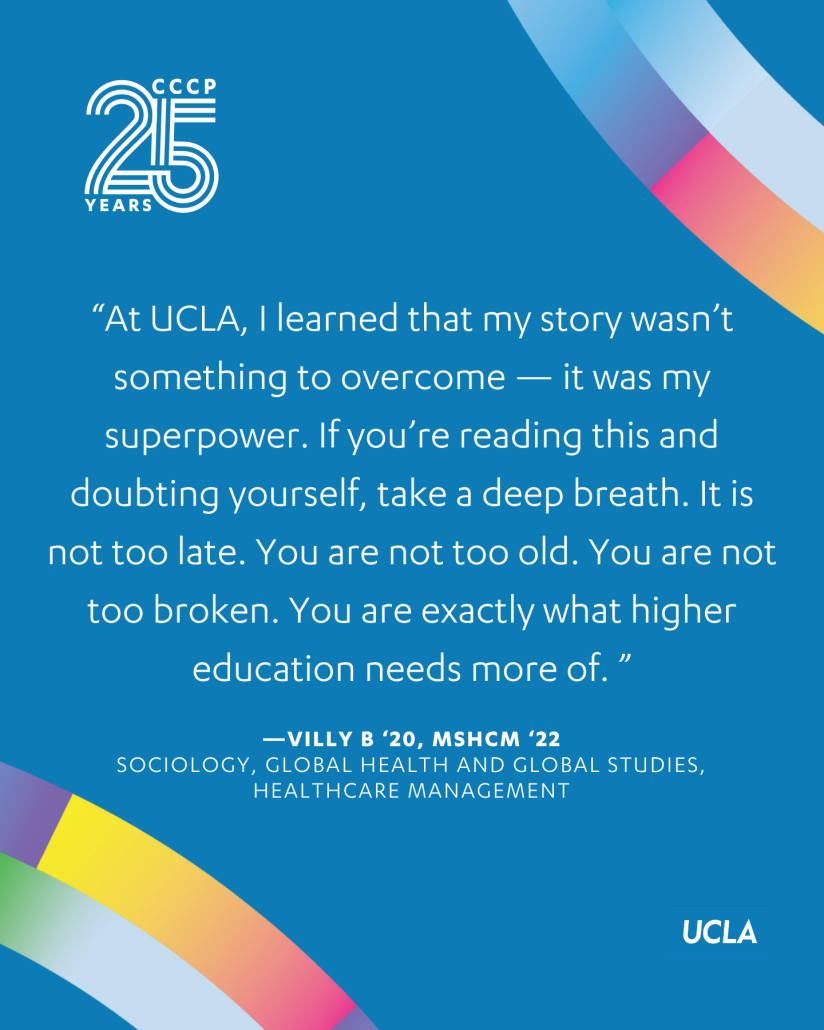
I want other non-traditional students — especially survivors, single parents, and those who’ve been away from school for years — to know that their experiences are not liabilities; they are assets. The very things that make you feel like an outsider — your age, your struggles, the long gaps in your education — are the things that give you a perspective no textbook can teach. Don’t hide your story; use it. I never imagined that the shy, artistic girl from Indonesia, a middle-age single mother rebuilding her life, would one day mentor students at a world-class university. But at UCLA, I learned that my story wasn’t something to overcome — it was my superpower. If you’re reading this and doubting yourself, take a deep breath. It is not too late. You are not too old. You are not too broken. You are exactly what higher education needs more of.
Help create more success stories like Villy’s by making a donation today.
 https://cccp.ucla.edu/wp-content/uploads/2026/08/1.png
1800
1440
brenda garcia
https://cccp.ucla.edu/wp-content/uploads/2025/03/CCCP_trim-1.png
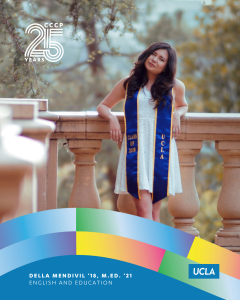
brenda garcia2026-08-14 22:44:312026-08-14 23:02:11Della Mendivil ’18, M.Ed. ’21
https://cccp.ucla.edu/wp-content/uploads/2026/08/1.png
1800
1440
brenda garcia
https://cccp.ucla.edu/wp-content/uploads/2025/03/CCCP_trim-1.png
brenda garcia2026-08-14 22:44:312026-08-14 23:02:11Della Mendivil ’18, M.Ed. ’21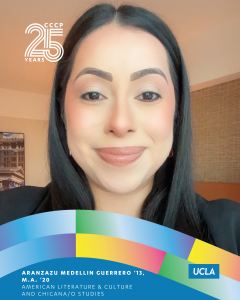 https://cccp.ucla.edu/wp-content/uploads/2026/07/1-4.png
1800
1440
brenda garcia
https://cccp.ucla.edu/wp-content/uploads/2025/03/CCCP_trim-1.png
brenda garcia2026-07-20 14:13:432026-08-11 18:38:46Aranzazu Medellin Guerrero ’13, M.A. ’20
https://cccp.ucla.edu/wp-content/uploads/2026/07/1-4.png
1800
1440
brenda garcia
https://cccp.ucla.edu/wp-content/uploads/2025/03/CCCP_trim-1.png
brenda garcia2026-07-20 14:13:432026-08-11 18:38:46Aranzazu Medellin Guerrero ’13, M.A. ’20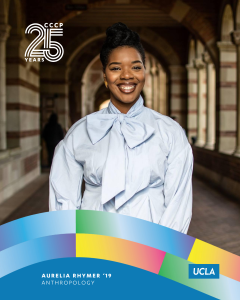 https://cccp.ucla.edu/wp-content/uploads/2026/07/1-2.png
1800
1440
brenda garcia
https://cccp.ucla.edu/wp-content/uploads/2025/03/CCCP_trim-1.png
brenda garcia2026-07-20 13:55:002026-07-20 14:07:07Aurelia Rhymer ’19
https://cccp.ucla.edu/wp-content/uploads/2026/07/1-2.png
1800
1440
brenda garcia
https://cccp.ucla.edu/wp-content/uploads/2025/03/CCCP_trim-1.png
brenda garcia2026-07-20 13:55:002026-07-20 14:07:07Aurelia Rhymer ’19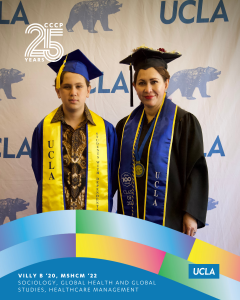 https://cccp.ucla.edu/wp-content/uploads/2026/07/1-1.png
1800
1440
brenda garcia
https://cccp.ucla.edu/wp-content/uploads/2025/03/CCCP_trim-1.png
brenda garcia2026-07-17 17:10:272026-07-20 14:09:05Villy B ’20, MSHCM ’22
https://cccp.ucla.edu/wp-content/uploads/2026/07/1-1.png
1800
1440
brenda garcia
https://cccp.ucla.edu/wp-content/uploads/2025/03/CCCP_trim-1.png
brenda garcia2026-07-17 17:10:272026-07-20 14:09:05Villy B ’20, MSHCM ’22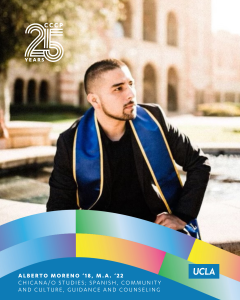 https://cccp.ucla.edu/wp-content/uploads/2026/07/Copy-of-CCCP25thAnniversary_Profiles_1080x1350_Template.pdf-43.png
1800
1440
brenda garcia
https://cccp.ucla.edu/wp-content/uploads/2025/03/CCCP_trim-1.png
brenda garcia2026-07-17 16:38:192026-07-17 17:00:25Alberto Moreno ’18, M.A. ’22
https://cccp.ucla.edu/wp-content/uploads/2026/07/Copy-of-CCCP25thAnniversary_Profiles_1080x1350_Template.pdf-43.png
1800
1440
brenda garcia
https://cccp.ucla.edu/wp-content/uploads/2025/03/CCCP_trim-1.png
brenda garcia2026-07-17 16:38:192026-07-17 17:00:25Alberto Moreno ’18, M.A. ’22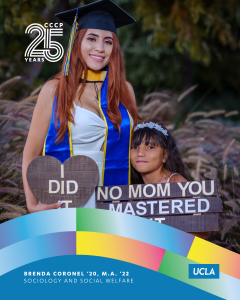 https://cccp.ucla.edu/wp-content/uploads/2026/07/Copy-of-CCCP25thAnniversary_Profiles_1080x1350_Template.pdf-29.png
1800
1440
brenda garcia
https://cccp.ucla.edu/wp-content/uploads/2025/03/CCCP_trim-1.png
brenda garcia2026-07-14 01:36:392026-07-15 00:35:57Brenda Coronel ‘20, M.A. ‘22
https://cccp.ucla.edu/wp-content/uploads/2026/07/Copy-of-CCCP25thAnniversary_Profiles_1080x1350_Template.pdf-29.png
1800
1440
brenda garcia
https://cccp.ucla.edu/wp-content/uploads/2025/03/CCCP_trim-1.png
brenda garcia2026-07-14 01:36:392026-07-15 00:35:57Brenda Coronel ‘20, M.A. ‘22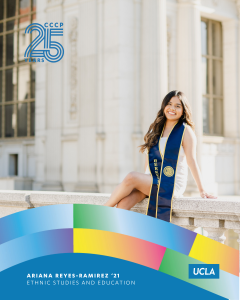 https://cccp.ucla.edu/wp-content/uploads/2026/07/Copy-of-CCCP25thAnniversary_Profiles_1080x1350_Template.pdf-24.png
1800
1440
brenda garcia
https://cccp.ucla.edu/wp-content/uploads/2025/03/CCCP_trim-1.png
brenda garcia2026-07-13 16:57:332026-07-15 16:28:38Ariana Reyes-Ramirez ’21
https://cccp.ucla.edu/wp-content/uploads/2026/07/Copy-of-CCCP25thAnniversary_Profiles_1080x1350_Template.pdf-24.png
1800
1440
brenda garcia
https://cccp.ucla.edu/wp-content/uploads/2025/03/CCCP_trim-1.png
brenda garcia2026-07-13 16:57:332026-07-15 16:28:38Ariana Reyes-Ramirez ’21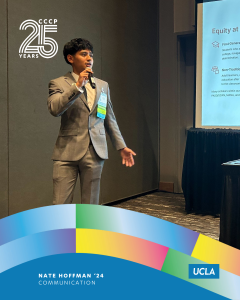 https://cccp.ucla.edu/wp-content/uploads/2026/07/61.png
1800
1440
brenda garcia
https://cccp.ucla.edu/wp-content/uploads/2025/03/CCCP_trim-1.png
brenda garcia2026-07-13 16:56:192026-07-15 16:42:09Nate Hoffman ’24
https://cccp.ucla.edu/wp-content/uploads/2026/07/61.png
1800
1440
brenda garcia
https://cccp.ucla.edu/wp-content/uploads/2025/03/CCCP_trim-1.png
brenda garcia2026-07-13 16:56:192026-07-15 16:42:09Nate Hoffman ’24
Contact Us
310.267.4441
cccp@college.ucla.edu
Open Hours
2211 Campbell Hall (2nd floor)
Los Angeles, CA 90095-7176
Monday – Thursday: 9am – 5pm
Friday (Remote): 9am – 5pm
The UCLA Center for Community College Partnerships acknowledges the Gabrielino/Tongva peoples as the traditional land caretakers of Tovaangar (the Los Angeles basin and So. Channel Islands). As a land grant institution, we pay our respects to the Honuukvetam (Ancestors), ‘Ahiihirom (Elders) and ‘Eyoohiinkem (our relatives/relations) past, present and emerging.

 Aurelia Rhymer ’19